


Andrew Weeks, LCDCI, CTIC, C-SAT Candidate
“What frightens and dismays us is not external events themselves, but how we think about them. It is not things that disturb us, but our interpretation of their significance.” — Epictetus

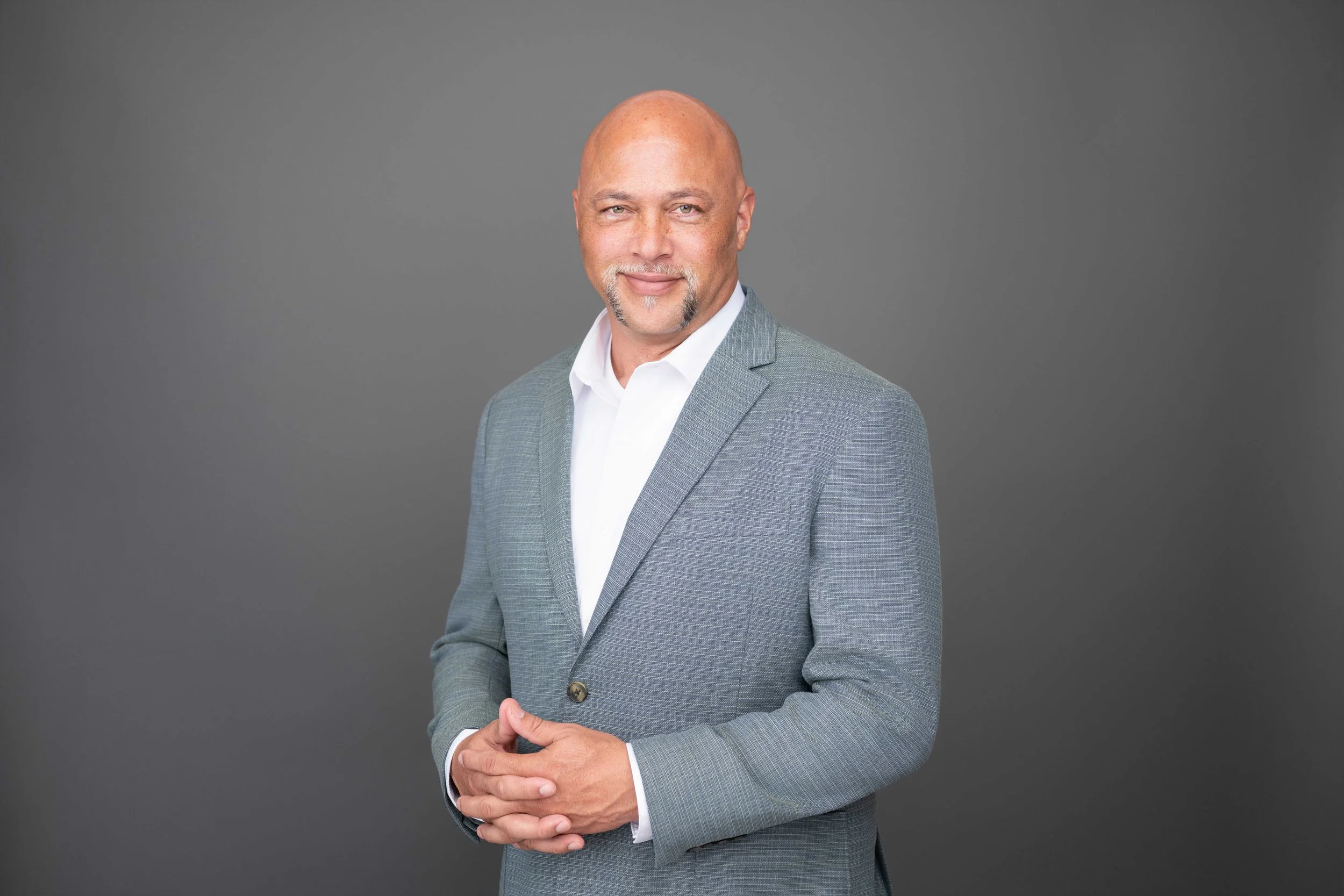
I’m Andrew, but most people call me Drew. I work with adults struggling with substance use, compulsive sexual behavior, problematic pornography use, sex addiction, anxiety, depression, and relationship difficulties.
You can succeed in many areas of your life and still feel completely out of control in one area. Maybe it is alcohol or drugs. Maybe it is pornography, sexual behavior, or another compulsive pattern that you’ve tried over and over again to change. At some point, it can become exhausting. Shame, secrecy, damaged trust, or the frustration of knowing how you want to live but continuing to do things that take you in the opposite direction may be part of it.
A lot of the people I work with come into therapy feeling stuck. They may understand that something needs to change but have no idea why they keep ending up in the same place. Others have spent years trying to fix things on their own and are tired of fighting the same battle.
I am comfortable talking about the things people are often most afraid or embarrassed to say out loud. You do not need to clean up your story before bringing it into the room.
My goal is not simply to help someone stop a behavior. I want to understand what is underneath it with you. What keeps the cycle going? What happens emotionally right before the behavior? What are you getting from it in the moment? What beliefs about yourself have been around for years? And most importantly, what would your life look like if you were no longer being controlled by the same patterns?
I believe accountability is important, but I do not believe shame is a particularly good tool for creating lasting change. I try to bring curiosity, honesty, compassion, and some directness into the work. Sometimes we need support. Sometimes we need to be challenged. Usually, we need some combination of both.
My path into this work is also personal. My own recovery changed the direction of my life. Early on, I began to realize that recovery could be about much more than not drinking. It gave me a chance to look at myself differently, repair relationships, make sense of some painful parts of my life, and figure out what actually mattered to me. Eventually, that experience led me into addiction treatment and mental health work.
I draw from Acceptance and Commitment Therapy (ACT), Internal Family Systems (IFS), and Compassion Focused Therapy (CFT). These approaches help us look beyond the behavior itself and understand the thoughts, emotions, protective parts, old beliefs, and coping strategies that may be driving it. The goal is to create more choice and help you live in a way that is more consistent with who you want to be.
I’m a Licensed Chemical Dependency Counselor Intern (LCDC-I), Certified Trauma Informed Counselor (CTIC), and CSAT Candidate completing specialized training toward certification as a Certified Sex Addiction Therapist. I am also completing my Master’s degree in Clinical Mental Health Counseling at Capella University, where I hold a graduate certificate. I have completed advanced training in Ketamine Assisted Therapy through Skylight Psychedelics.
Before entering this field, I spent more than twenty years working in sports medicine as a Certified Athletic Trainer, including time in the NFL, XFL, and Division I college football. For most of my professional life, I have worked with people who were going through something difficult and trying to get to the other side of it. In a lot of ways, that part of the work has never really changed.
I want therapy to feel human. I want you to feel like you can talk openly, ask questions, disagree with me, laugh when something is funny, and be honest when things are not going well.
You do not need to have everything figured out before you reach out. Sometimes the first step is simply being honest that something is not working anymore. We can start there.
Non-discrimination policy: SPS is dedicated to ever-increasing our knowledge on race, ethnicity, gender, sexual orientation, sexual practices, age, religion, spirituality, and people who are physically different than us as part of our ongoing efforts to be educated and informed. We do this to provide the highest level of ethical care in supporting our clients and community. Our current and future efforts will continue to reflect our dedication and commitment to diversity, equity, and inclusion with respect and compassion for every human being that we are honored to support.